


Antioxidants for Cellular Protection
EVOO is loaded with antioxidants, including vitamin E and plant phenols. These molecules help neutralize free radicals, unstable compounds that can cause oxidative stress and contribute to aging and chronic diseases, including some cancers.

Better Blood Sugar, Weight & Metabolic Health
Extra virgin olive oil may also play a role in metabolic health. Several studies suggest that people who consume EVOO regularly have improved insulin sensitivity and more stable blood sugar levels, which could help lower the risk or severity of type 2 diabetes.

Nature’s Anti-Inflammatory Agent
Fight inflammation naturally Chronic inflammation drives many common diseases, from diabetes to arthritis. Extra virgin olive oil contains antioxidants and polyphenols — like oleocanthal — that help reduce inflammation in the body. Some studies even show these compounds work in ways similar to gentle anti-inflammatory medications.

Delicious and Practical in Everyday Meals
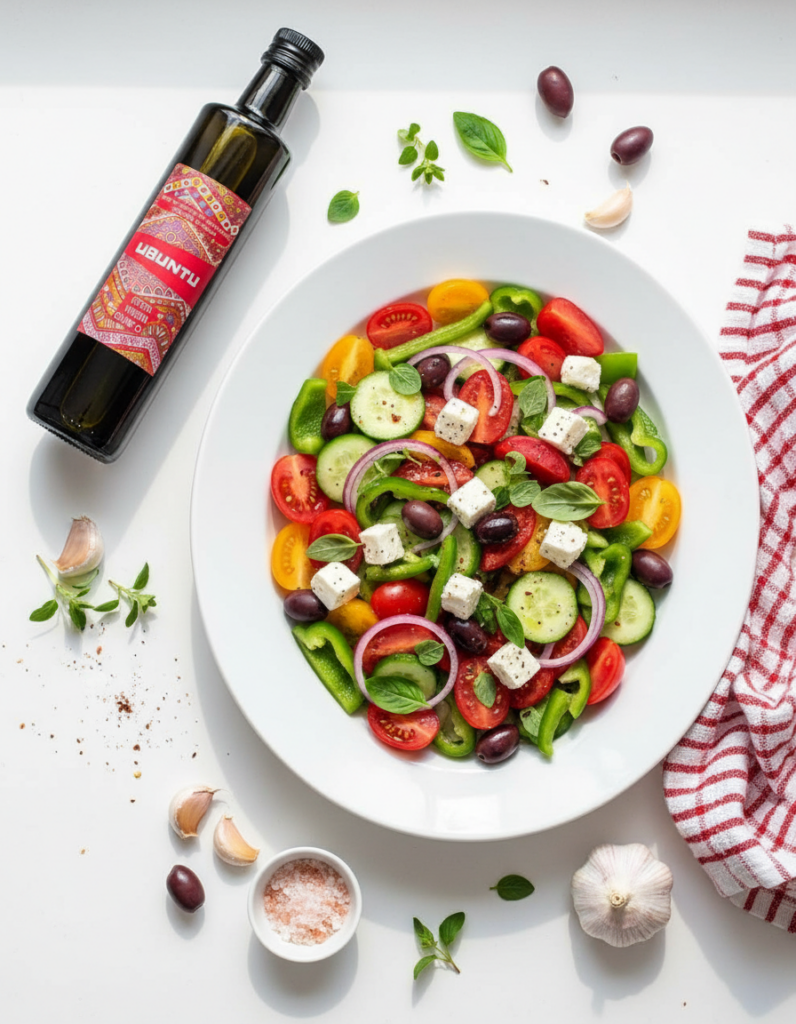
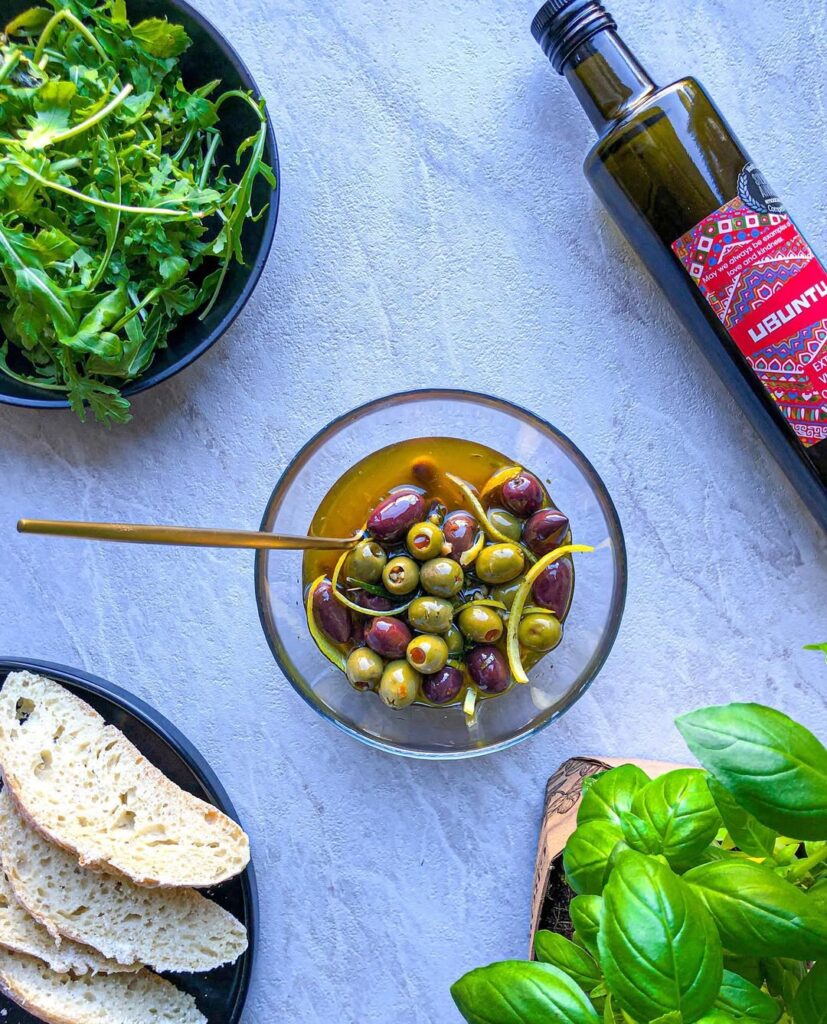
The best part? You don’t have to overhaul your diet to enjoy these benefits. Drizzle EVOO on salads, use it to sauté vegetables, or swap it for butter and other fats in cooking. Most dietary guidance suggests including about 1 to 4 tablespoons daily as part of a balanced diet rich in vegetables, whole grains, and lean proteins.